Exploring African Culture Through Pottery and Ceramics

African pottery and ceramics are not just functional items; they are vibrant expressions of culture, history, and identity. From the intricate designs of the Zulu people to the utilitarian forms of the Berbers, pottery in Africa tells stories that span generations. This blog post delves into the rich tapestry of African pottery and ceramics, exploring their significance, techniques, and the cultural narratives they embody.
The Significance of Pottery in African Culture
Pottery has been an integral part of African life for thousands of years. It serves various purposes, from cooking and storage to ceremonial uses. Each piece of pottery is often imbued with meaning, reflecting the beliefs and traditions of the community that created it.
Cultural Identity and Heritage
In many African societies, pottery is a vital aspect of cultural identity. Different tribes and regions have distinct styles, colors, and techniques that signify their heritage. For example:
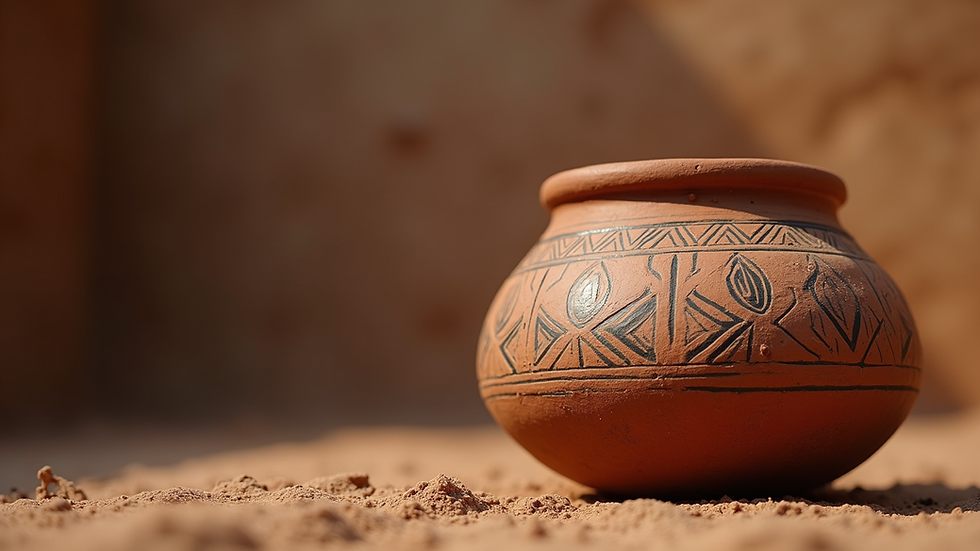
The Zulu of South Africa: Known for their beautifully decorated clay pots, Zulu pottery often features intricate geometric patterns and bright colors. These pots are not only functional but also serve as a canvas for artistic expression.
The Tuareg of the Sahara: Their pottery is often utilitarian, designed for everyday use. However, it also reflects their nomadic lifestyle, with designs that are practical yet aesthetically pleasing.
Ceremonial Uses
Pottery also plays a crucial role in various ceremonies and rituals. For instance, in many African cultures, clay pots are used in marriage ceremonies, funerals, and religious rituals. The designs and shapes of these pots can symbolize fertility, prosperity, and the connection between the living and the ancestors.
Techniques and Styles of African Pottery
The techniques used in African pottery vary widely across the continent, influenced by local resources, climate, and cultural practices.
Hand-Building Techniques
Most African pottery is made using hand-building techniques. This method involves shaping the clay by hand rather than using a potter's wheel. Common hand-building techniques include:
Coiling: This technique involves rolling out long strips of clay and stacking them to form the pot's walls. It allows for the creation of larger and more complex shapes.
Pinching: This method involves pinching the clay into shape, often resulting in smaller, more delicate pieces.
Surface Decoration
Surface decoration is a hallmark of African pottery. Techniques include:
Burnishing: This involves polishing the surface of the clay to create a shiny finish. It is often used in traditional pottery to enhance the visual appeal.
Painting and Engraving: Many potters use natural pigments to paint intricate designs on their pots. Engraving is another common technique, where patterns are carved into the clay before firing.
Firing Techniques
Firing is a crucial step in pottery making, as it transforms the clay into a durable material. African potters often use traditional firing methods, such as:
Open Firing: This method involves placing pots in a fire pit, allowing for a range of colors and textures to develop based on the materials used in the fire.
Kiln Firing: Some regions have adopted kiln firing, which allows for more controlled temperatures and consistent results.
The Role of Pottery in Contemporary African Society
Today, pottery continues to play a significant role in African society, both as a traditional craft and a contemporary art form. Many artisans are blending traditional techniques with modern aesthetics, creating unique pieces that appeal to both local and global markets.
Economic Impact
Pottery production provides a source of income for many communities. Artisans often sell their work at local markets or online, promoting their culture while supporting their families. This economic aspect is crucial, especially in rural areas where job opportunities may be limited.
Preservation of Culture
As globalization increases, there is a growing concern about the preservation of traditional crafts. Many potters are working to keep their cultural heritage alive by passing down techniques and stories to younger generations. Workshops and community programs are being established to teach pottery-making skills, ensuring that these traditions continue.
Challenges Facing African Pottery
Despite its rich heritage, African pottery faces several challenges today.
Competition from Mass Production
The rise of mass-produced ceramics poses a significant threat to traditional pottery. Many consumers opt for cheaper, factory-made items, which can undermine the livelihoods of local artisans.
Environmental Concerns
The sourcing of clay and other materials can have environmental impacts. Over-extraction of clay can lead to land degradation, while the use of certain firing techniques can contribute to air pollution. Sustainable practices are essential for the future of pottery-making.
The Future of African Pottery
The future of African pottery lies in the balance between tradition and innovation. As artisans adapt to changing markets and environmental challenges, they continue to find ways to express their cultural identity through their work.
Embracing Technology
Some potters are incorporating technology into their craft, using social media to reach wider audiences and showcase their work. Online platforms allow artisans to sell their pottery globally, connecting them with customers who appreciate the cultural significance of their pieces.
Collaborations and Cross-Cultural Exchanges
Collaborations between traditional potters and contemporary artists can lead to exciting new forms of expression. These partnerships can help bridge the gap between traditional and modern techniques, fostering a greater appreciation for African pottery in the global art scene.
Conclusion
African pottery and ceramics are more than just functional items; they are a reflection of the continent's diverse cultures and histories. As we explore the significance, techniques, and contemporary challenges of this art form, we gain a deeper appreciation for the stories that each piece tells. By supporting local artisans and embracing sustainable practices, we can help preserve this vital aspect of African heritage for future generations.


Comments